
Coffee business
SHOULD YOU ROAST YOUR OWN COFFEE FOR YOUR CAFE? ADVANTAGES, DISADVANTAGES, AND WHEN SHOULD YOU HIRE A ROASTING FACTORY?
The flavor of coffee is one of the factors that creates the unique character of each coffee shop. Many shop owners today wonder: should they roast their own coffee for their shop? Self-roasting gives the shop complete control over the flavor, but it also comes with risks, costs, and operational pressures.
Meanwhile, hiring a professional coffee roasting service helps to stabilize the flavor, save time and costs, but may leave the cafe with less control over the process.
This article will help you clearly assess the advantages and disadvantages of roasting your own coffee for your cafe, thereby making a decision that suits your business model, scale, and brand direction. We will also suggest when your cafe should consider using a professional coffee roasting service. 90S Coffee instead of investing in a roasting machine yourself.
What are the advantages of roasting your own coffee?
Roasting your own coffee means the shop buys its own beans. green coffee beansThey invest in their own roasting machines, recruit their own roasting staff, and operate the entire process from roasting, sorting, and storage to supplying the shops. Some shops choose small-scale, manual roasting machines, while those with a more specialized focus often invest in industrial roasting machines with a more systematic process.
Roasting the beans in-house allows the shop to control every aspect, from the type of beans, growing region, processing methods, temperature, roasting time, to brand style. However, it also means the shop is solely responsible for all risks related to quality, food safety, operating costs, and flavor consistency.
Advantages of roasting your own coffee
One of the most significant advantages of roasting your own coffee for your cafe is the complete control over the product's flavor.
Complete control over flavor.
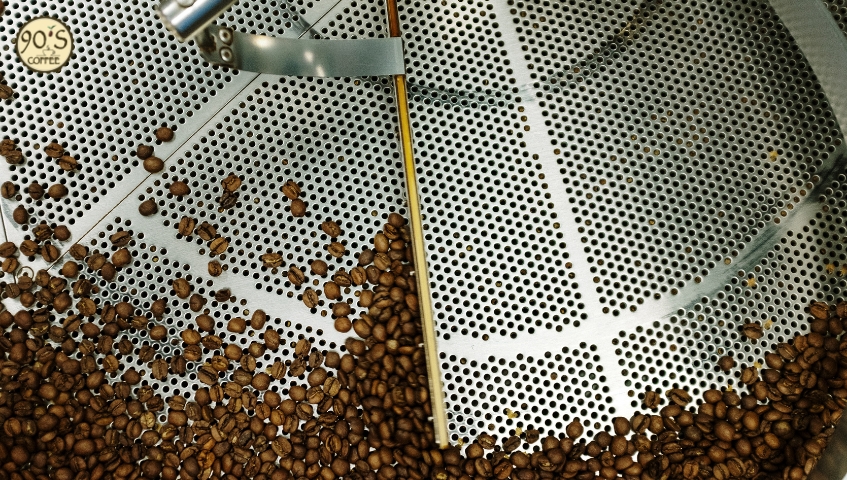
When roasting in-house, the shop can customize the roasting profile to perfectly match customer preferences, experimenting with different blends to find the formula that suits the shop. You can adjust between batches to aim for a bold flavor, sweet aftertaste, or a specific style. brew machine, filter, takeaway Depending on demand. This helps the shop create its own unique line of coffee, different from other shops.
See more: Should businesses choose filter coffee or machine-brewed coffee?
Build a strong brand story.
A coffee shop with a "home-roasted" theme can easily create a compelling story for customers, especially coffee connoisseurs or enthusiasts. specialtyThe restaurant can open up to provide an observation deck. coffee roasting processThis includes introducing the origin of the beans, the roasting process, and even organizing workshops. This is a way to increase brand value, making customers feel that the cafe is professional and has a "genuine passion for coffee".
Take control of raw materials and processes.
When roasting their own beans, cafes can choose the growing region, bean type, and processing method to align with their brand vision. They can work directly with farms, partner with certified organic, Rainforest Alliance, or specialty coffee. Cafes can also control quality, screen for defects, avoid mixing in corn or soybeans, and refrain from using additives, giving customers peace of mind about the coffee's quality.
Watch now: Raw material area and production technology of 90S Coffee
Cost savings are achieved through large-scale operations and stable performance.
For high-volume, large-scale coffee shops or chains, in-house roasting can help reduce the average cost per kilogram of coffee if the process is well-established and waste is minimized.
However, this is only true if the shop has skilled roasters, stable equipment, a standardized process, and no serious errors. For small shops, the initial costs and operating expenses (equipment, electricity, personnel, maintenance) may be greater than the profit from roasting in-house.
Disadvantages and risks of roasting your own coffee for your shop.
One of the biggest hurdles when deciding to roast your own coffee for your cafe is the high initial investment and operating costs.
High initial investment and operating costs.
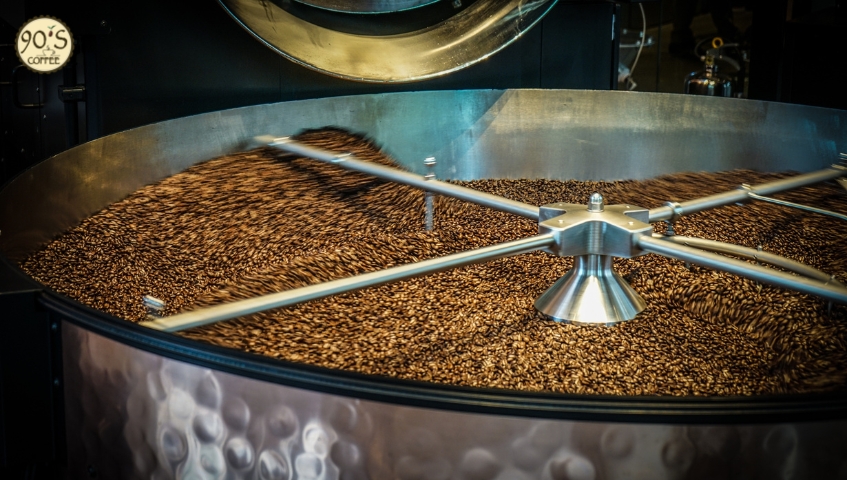
Self-roasting isn't just about buying a roaster; it also involves considering ventilation systems, storage, supporting tools, temperature measuring devices, weighing scales, maintenance, and operational staff. For small businesses, initial capital can be spread thin, focusing on technical aspects rather than business, marketing, and customer experience. Furthermore, electricity, fuel, maintenance, and repair costs increase if the scale isn't large enough to offset these expenses.
It is difficult to ensure flavor consistency between batches.
One of the biggest risks of self-roasting is inconsistent flavor between batches. If the shop doesn't have a standardized roasting record, temperature sensors, data recording, or if the roaster lacks sufficient experience, each roast can produce a different flavor. This makes it difficult for customers to trust the brand and casts doubt on its quality.
Loss of focus on core business.
When a coffee shop roasts its own beans, the owner often has to divide their time between business management and technical operations. The time available for marketing, creating promotional programs, customer service, decor, and service may be reduced.
Running a coffee shop also becomes more complex, requiring more technical expertise in roasting, maintenance, and raw material management, which in turn affects the focus on the most important aspects of the coffee business.
Should you roast your own coffee for your cafe? What factors influence this?
The decision of whether or not to roast and grind your own coffee for your cafe isn't a simple "yes" or "no," but depends on many factors.
Restaurant size and budget
For small establishments where coffee is just a secondary element in the restaurant, buffet, or eatery model, roasting your own coffee might be beyond your budget and resources. These establishments should generally prioritize revenue, customer experience, and service over investing in a roasting machine.
For a professional, large-scale coffee shop with a long-term vision, roasting its own beans can be a reasonable option if the shop has sufficient resources.
Demand for flavor and brand
If a coffee shop aims for a specialty brand image, the "shop roasts its own coffee" narrative can help it create a unique and distinctive line of coffee that aligns with its brand positioning.
However, if the cafe only needs consistent flavor, a simple, easy-to-serve menu, and focuses on experience and service, then outsourcing roasting would be a more cost-effective option.
Human resources and expertise
Self-roasting is only suitable for cafes with skilled roasters who have experience, a thorough understanding of roasting profiles, timeframes, defect screening, and temperature control.
If the shop lacks such personnel, self-roasting can lead to technical risks, wasted ingredients, and inconsistent flavor.
Expansion plan and chain of restaurants
If the restaurant plans to expand into a chain, F&B business, or distribution network, using a roasting service helps standardize flavors, reduce risks, and save on operating costs.
Self-roasting is only suitable if the cafe wants to position itself as a "distinctive cafe roastery," with its own unique coffee brand, independent of external suppliers.
When should you use a coffee roasting service instead of roasting your own coffee?
For newly opened cafes, brand owners want to build their own line of coffee in a specific format. OEMWhether you simply want to save on operating costs, using a coffee roasting service is often a more reasonable and efficient option than roasting your own coffee. Below are some typical examples.
For new cafes, owners often prioritize revenue, operations, and marketing. Using a roasting service helps cafes start up quickly, saves costs, eliminates the need to invest in roasting equipment, and eliminates the worry of technical operations. The cafe can then focus on decor, service, and promotional programs to attract customers.

For those who want to build their own coffee brand, the option of not investing in a roasting machine but still being able to print their logo, packaging, brand name, and offer roasting services via the OEM model is ideal.
The cafe or brand simply chooses the flavor profile, blend, and product name; the rest, such as roasting, processing, packaging, and quality control, is handled by a professional roasting partner, helping the brand grow quickly, professionally, and save on initial costs.
90S Coffee – A reputable coffee roasting service provider.
With the 90S Coffee brand, we offer pure, unadulterated roasted coffee, without any corn or soybean blending, and without the use of artificial flavorings. Your shop doesn't need to invest in roasting equipment or worry about technical operations; you just need to choose a flavor profile that suits your customers.
Watch now: Reliable coffee roasting services in Ho Chi Minh City.
90S Coffee supports cafes with advice on blends, flavor profiles, packaging printing, and brand logos, helping them build their own unique and distinctive coffee line in the market. Cafes can rest assured about quality, food safety, and consistent flavor.
Contact 0777 153 153 for advice on reliable coffee roasting services in Ho Chi Minh City, or fill out the form below.
Conclusion
"Should you roast your own coffee for your cafe?" depends on the size, budget, staffing capabilities, expansion plans, and brand direction of the cafe.
For many cafes, using a coffee roasting service like 90S Coffee is a safe and effective option, helping to save costs, maintain consistent flavor, and focus on business rather than getting involved in the roasting process.
If you're undecided between roasting your own coffee beans and hiring a roasting service, contact 90S Coffee today for free consultation, samples, and a quote tailored to your cafe's needs.
90S COFFEE
Supplier of pure roasted coffee beans & Coffee roasting/OEM services.
#caphesach #caphethat #capherangmoc #caphenguyenchat #90scoffee


